
Child
Psychotherapy
A child will not sit down and explain what is troubling it. It will show you — in play, at school, in its sleep, in its body. Therapy follows that language.
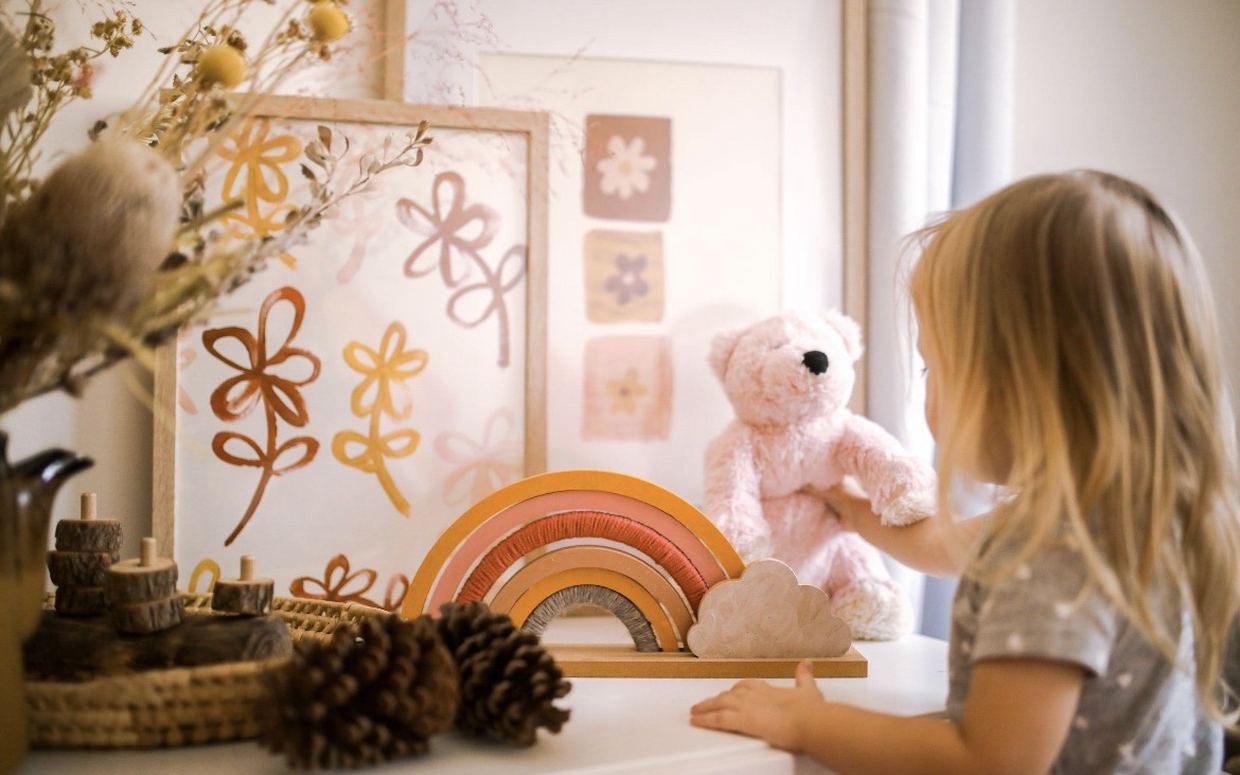
How we work with a child
Child psychotherapy is not "psychotherapy for adults, but smaller". A child does not yet have the cognitive maturity to observe and describe its inner world in words — but it is entirely capable of expressing that world symbolically: through play, drawing, the stories it invents and the roles it takes on.
Sessions draw on play therapy and creative arts, adapted to the child's age and to what is being asked. Play is not a lure to pass the time; it is the therapeutic medium itself, the means by which a child can safely approach what troubles it.
When it helps
- Intense fears, separation anxiety, difficulty sleeping or nightmares.
- Outbursts of anger and aggression — or, conversely, excessive "goodness" and withdrawal.
- Difficulty adjusting at school or in relationships with peers.
- Reactions to family change: parental separation, a new sibling, moving house, bereavement.
- Regressive behaviour — bedwetting, clinginess, stammering — after a stressful event.
- Psychosomatic complaints: headaches or stomach aches with no organic cause, especially before school.
- Low self-esteem, "I'm no good at anything".
The role of parents
There is no work with a child without work with the parents. A child lives inside a system and returns to it after every session; if the system does not move, change rarely holds.
For that reason, alongside the child's sessions we schedule regular parent meetings. There we discuss the direction of the work, what is being noticed at home, and which practical changes can support the child. The content of the play and of the sessions remains the child's own.
At a glance
- ForPre-school and school-age children
- Duration50 minutes per session
- SettingAt the practice in Ilioupoli, or online
- AppointmentsBy phone or through the contact form
- ParentsParallel parent sessions, at an agreed frequency
Frequently asked questions
From pre-school age upwards. The younger the child, the more weight the work with parents carries — at very young ages parent counselling may well be the most appropriate setting on its own.
The truth, in words suited to their age: that they are going to meet someone who helps children when something upsets them or is hard for them, and that there they will play and talk. Never as a punishment and never as a surprise. This is exactly what we discuss in the first meeting.
You will know the direction of the work, what we are working on and how you can help. The content of the play or of confidential moments is not passed on — if a child knows that everything is reported, it stops using the space. The exception is anything concerning their safety, which is always communicated.
It depends on what is being asked. Some adjustment difficulties need a few months; other issues take longer. At regular intervals we reassess the course together, so that nothing simply continues by inertia.